01
Whole-home softening
Water softener installation
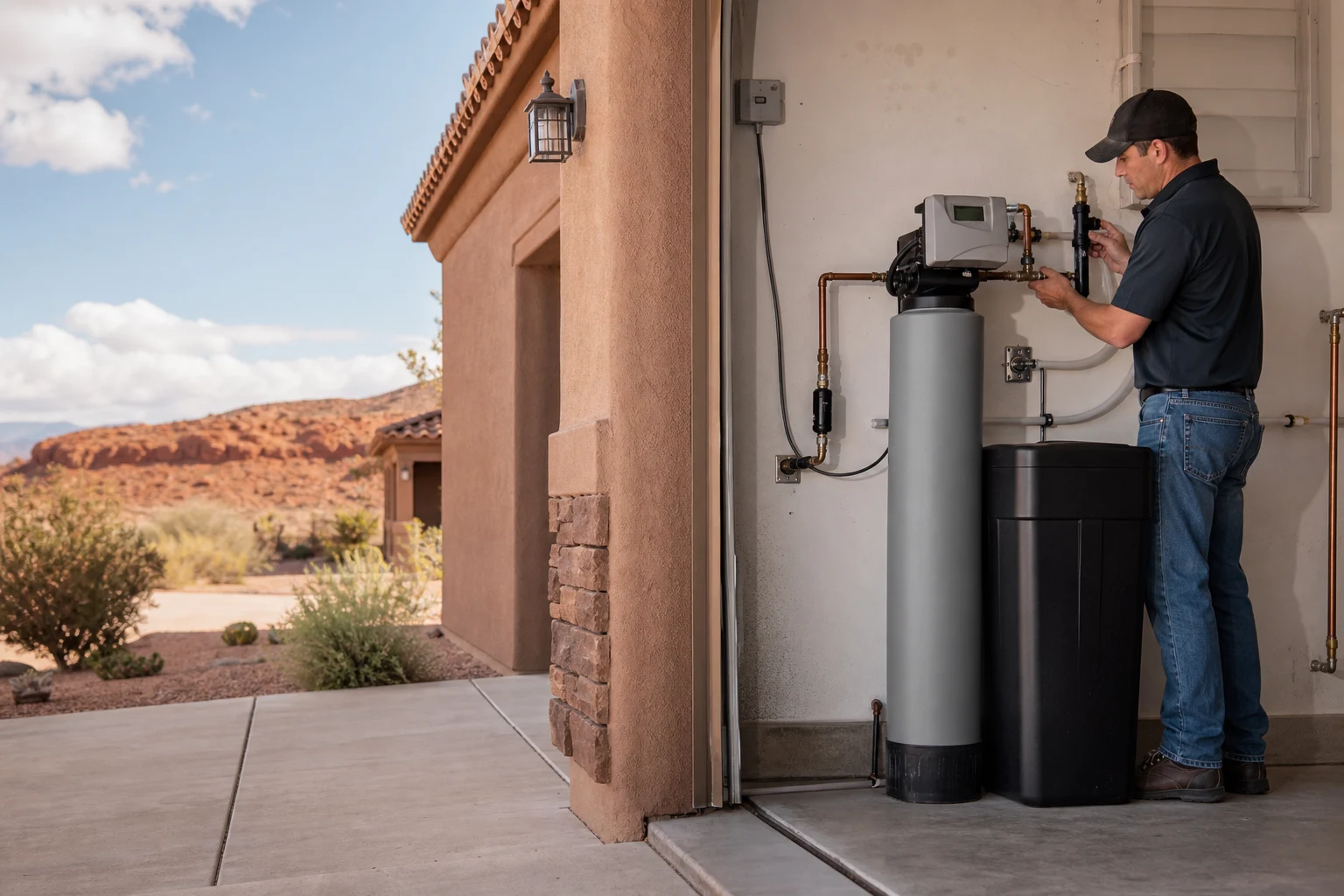
Metered ion-exchange systems sized from measured hardness, household use and simultaneous flow.
Explore this service →Whole-home water treatment for St. George homeowners
Measure the water at your address, compare treatment outcomes and request an installation quote without the showroom pressure.
What can we help with?
Water-treatment services
A useful proposal connects tested hardness, household demand, peak flow and the installation site to a written equipment and programming plan.
Whole-home softening
Metered ion-exchange systems sized from measured hardness, household use and simultaneous flow.
Explore this service →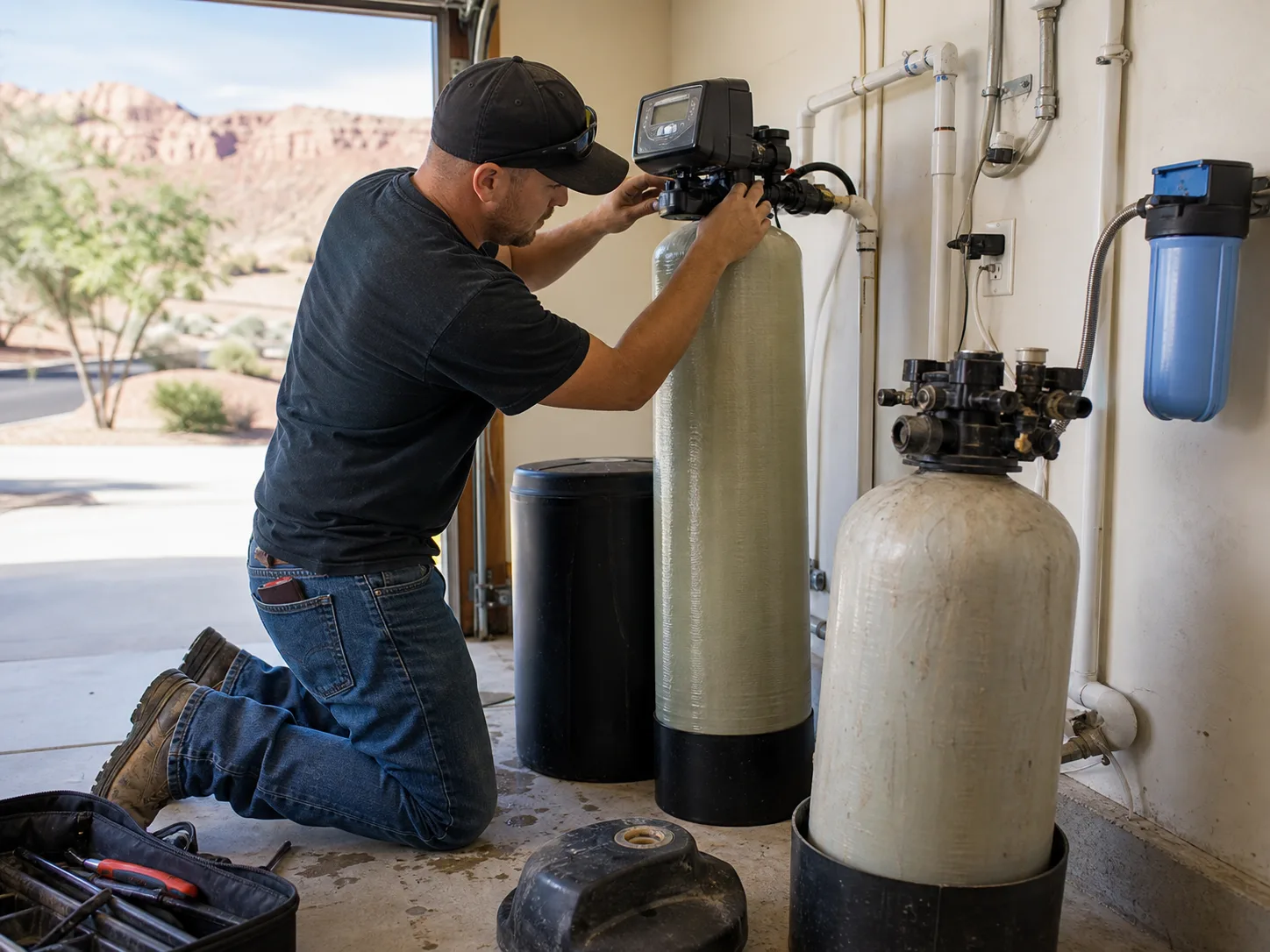
Repair or replace
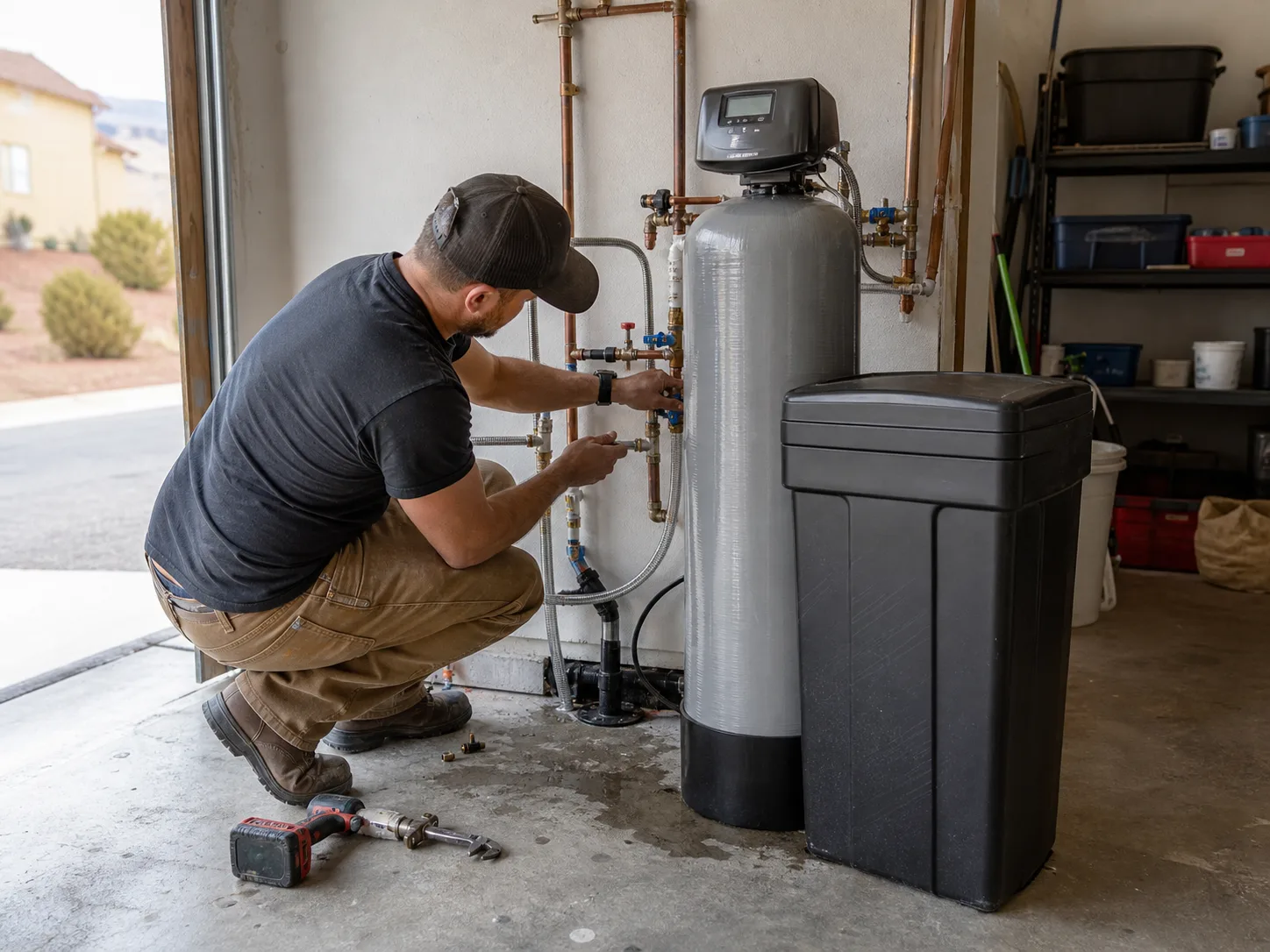
Separate salt, valve, resin and programming problems from a system that truly needs replacement.
Explore this service →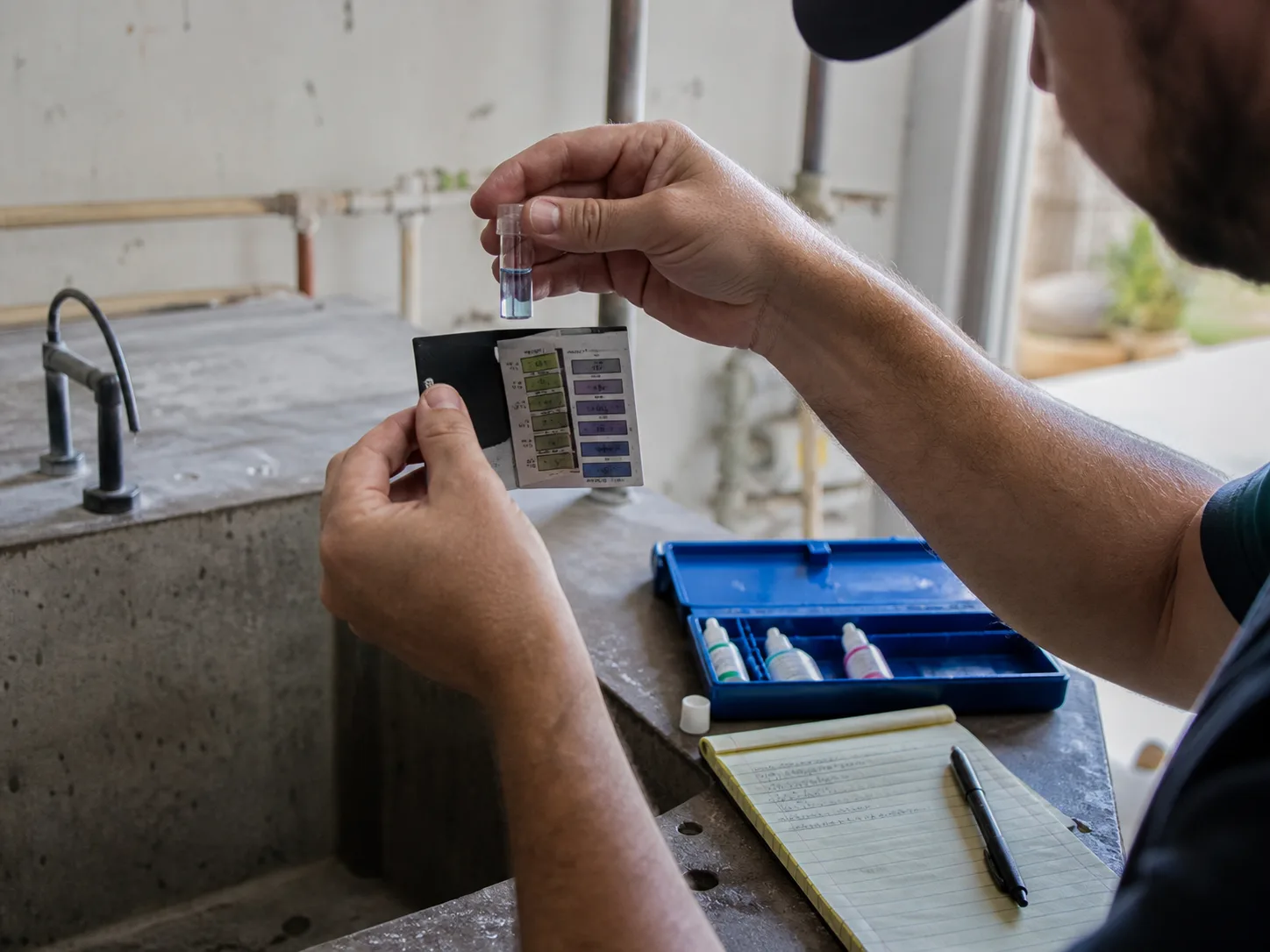
Measure first
Use the right field or laboratory method and keep the untreated result with the final settings.
Explore this service →St. George water context
St. George’s 2023 water-quality report says many customers with softeners may find 13 to 24 grains per gallon effective. Because customers can receive varying mixtures of groundwater and surface water, final programming should follow a test at the home.
Useful details before the first visit
Bring the test result.A dated untreated-water result is more useful than a generic regional chart.
Photograph the installation area.Show the main line, drain, power, bypass and available service clearance.
Ask for final settings.Keep hardness, capacity, salt dose and regeneration programming in writing.
A plain-English starting point
| What you notice | Possible approach | What still needs inspection |
|---|---|---|
| Scale, spots and poor soap performance | Ion-exchange water softener | Hardness, peak flow, drain and usable capacity |
| Avoid salt and regeneration discharge | Salt-free conditioning | Chemistry limits and the exact performance claim |
| Sediment, taste or odor | Targeted whole-home filtration | Tested concern, media, flow and replacement cost |
| Hardness has returned | Diagnosis or replacement | Untreated/treated tests, brine draw, valve and resin |
Planning comparison only. Final treatment should follow an address-specific water result and written proposal.
How requests work
Useful project details make it easier for an independent provider to confirm fit, timing and the next sensible step.
Test the untreated supply and define the exact household outcome.
Review equipment model, resin, flow, programming, plumbing and maintenance.
An independent provider verifies the site, final scope, timing and price.
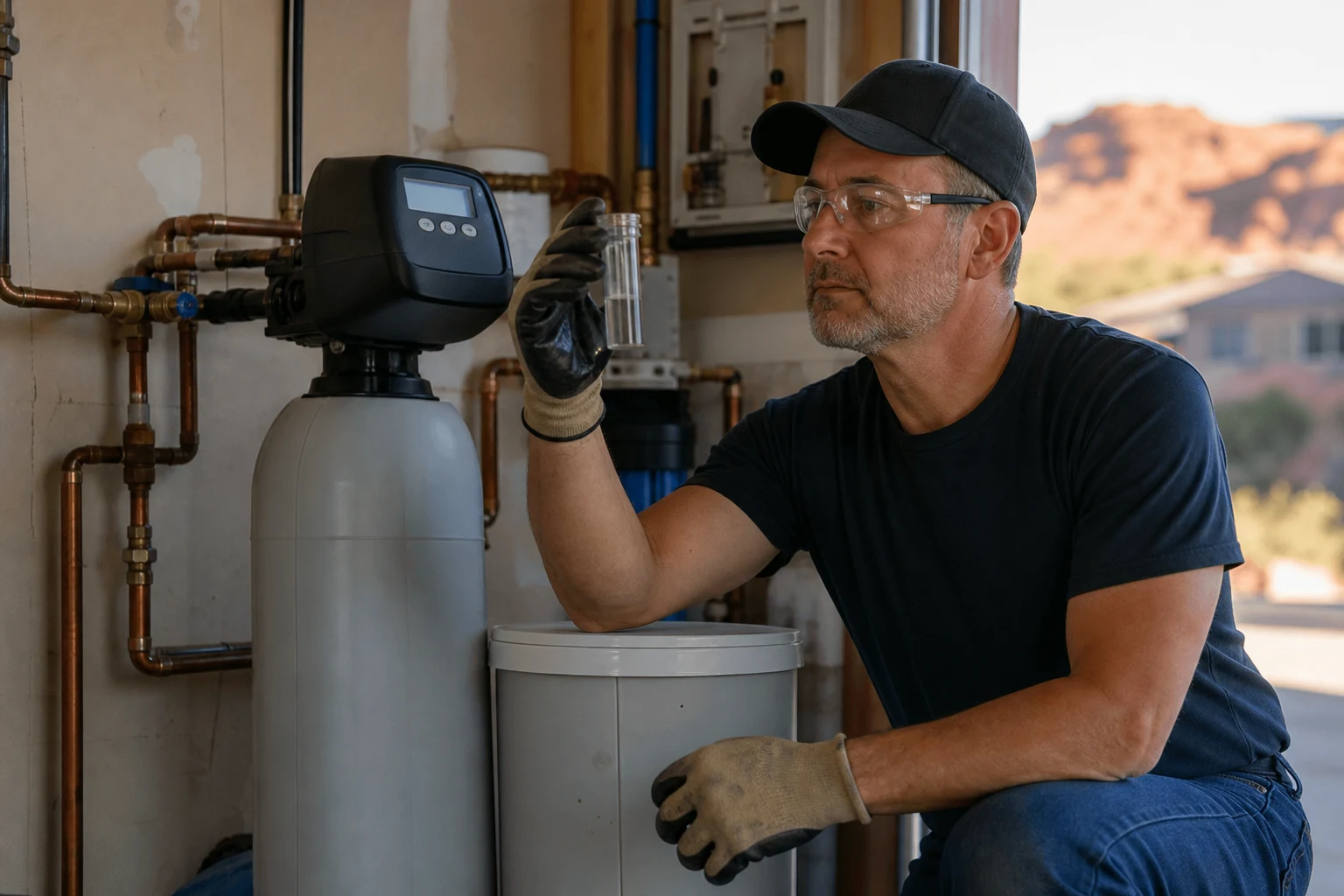
Prepare for an installation visit
Frequently asked questions
The City’s 2023 report describes Southern Utah sources as hard and says many customers with softeners may find 13–24 grains per gallon effective. Treat that as broad guidance and test at the residence before programming.
No. Softening is a household performance choice for hardness-related scale, spotting and soap use—not a City safety requirement.
A common whole-home installation may plan around $1,500–$4,000, while twin tanks, filtration and new plumbing can move higher. These are planning figures, not local bids.
Usually not. Most salt-free systems manage scale behavior while hardness minerals remain. Ask for a written, measurable performance claim.
Request local help
Share the result you want, the address area and any test result. An independent provider can confirm service area, equipment, installation scope and price.